Common Signs Your Overhead Crane Needs Maintenance

Keeping your overhead crane in top-notch condition is critical to ensuring your operation runs smoothly and safely. Ignoring maintenance can lead to costly repairs, significant downtime, and even serious injuries or fatalities.

  • Proper Lubrication is Key

    Bearings, Wire Ropes, Rope Guides, and Open Gears

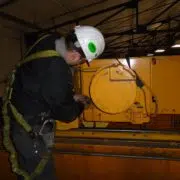
    Bearings, wire ropes, rope guides, and open gears are the lifeblood of your overhead crane’s operation. Regular lubrication is essential to prevent wear and tear. If you notice any grinding noises or jerky movements, it’s a clear sign that lubrication might be lacking. Without proper care, these components can degrade quickly, leading to equipment failure and potential safety hazards.

  • Adjustments Make All the Difference

    Hoists, Trolleys, and Bridge Brakes

    Hoists, trolleys, and bridge brakes need to be properly adjusted to ensure smooth and safe operation. If your crane struggles to lift loads or stops abruptly, it might be time for an adjustment. Regular checks and fine-tuning can prevent mechanical failures and extend the lifespan of your equipment.

  • Safety Settings and Performance Checks

    Limits and Dynamic Load Testing

    Limits ensure your crane doesn’t overextend or lift beyond its capacity, while dynamic load testing verifies that your crane can handle its rated load safely. After any installation or engineering changes, dynamic load testing is essential. Ensure that all limits are set correctly and perform load tests accordingly to avoid dangerous situations.

  • No Loose Parts Allowed

    Structural Integrity and Alignment

    Check for any loose or missing tie-back plates, splice plates, J-bolts, or rail clips. These components keep your crane stable and aligned. Loose or missing parts can lead to misalignment, excessive wear, and eventual structural failure. Additionally, ensure that the runway alignment is perfect and that rails and flanges are intact. Misalignment and damage can cause uneven wear and compromise the crane’s performance.

  • Addressing Issues Early

    Prevent Costly Repairs and Downtime

    Catching and addressing maintenance issues early is crucial. Small problems can escalate quickly if left unattended. Regular inspections and maintenance can prevent costly repairs and reduce downtime, keeping your operations running efficiently. More importantly, it significantly reduces the risk of injuries or fatalities, ensuring a safe working environment for your team.

Proactive Maintenance for Long-Term Success

By staying vigilant and addressing these common maintenance needs, you can keep your overhead crane running smoothly and safely. Regular inspections, proper lubrication, adjustments, and testing are key to preventing serious issues and ensuring the longevity of your equipment. Remember, a well-maintained crane is not just a tool for lifting; it’s a cornerstone of a safe and efficient workplace.

emergency crane service

Emergency Service

24 hours a day, 7 days a week | 765.763.8950


Emergencies arise in every day operations, and you cannot afford to be shut down for any length of time. Service Crane Company is here to provide same day service on your overhead crane and hoist emergencies. We will dispatch one of our skilled technicians to troubleshoot and provide maintenance.

Uplifted by Gorbel

Service Crane Company  is an authorized Gorbel distributor.


Stay up to date on the latest and greatest happenings at Gorbel and the world of manufacturing, material handling, and fall protection through the eyes of bloggers with Uplifted.

Blog Feature:   Choosing the Right Fall Protection
Featuring Gorbel® Tether Track
Yellow Yale Hoist with greyed out industrial background

What to Consider When Selecting a Hoist for an Overhead Crane

Everything you need to know when making your hoist selection


Purchasing or specifying overhead crane hoists to lift heavy objects in close proximity to equipment or personnel is a decision that deserves thoughtful consideration. We would like to identify some important factors to consider in your decision-making process.